
Shingle Roof Repair in Hialeah FL
Targeted repair and replacement of missing, lifted, cracked, and wind-damaged asphalt shingles on residential properties across Hialeah.
Common Shingle Damage on Hialeah Roofs
Asphalt shingles face aggressive conditions in South Florida. Understanding the types of damage helps you recognize when your roof needs professional attention.
Missing or Blown-Off Shingles
Wind events in Hialeah regularly produce gusts strong enough to detach shingles entirely — especially on aging roofs where adhesive strips have weakened from prolonged heat exposure. Missing shingles leave the underlayment and deck exposed to direct rainfall and UV, requiring prompt attention.
Lifted, Curled, or Creased Shingles
Shingles that have lifted at the edges or curled upward have lost their seal against the adjacent shingle. This creates an entry path for wind-driven rain. Creased shingles — often from foot traffic or debris impact — compromise the waterproofing integrity at the crease point.
Granule Loss and Surface Wear
The ceramic granules on an asphalt shingle's surface protect the underlying asphalt from UV degradation. In Hialeah's intense sun, granule loss accelerates the aging process significantly. You may notice accumulating granules in gutters and at downspout discharge points — a sign the shingles are losing their protective layer.
Cracked or Brittle Shingles
Sustained heat and UV exposure cause the asphalt in shingles to dry out and become brittle over time. Brittle shingles crack under thermal movement, foot traffic, or minor debris impact. A few cracked shingles can be replaced individually; widespread cracking may indicate the roof system is approaching end of life.
What Causes Shingle Damage in South Florida?
Asphalt shingles in Hialeah face a combination of environmental stressors that shorten their effective lifespan compared to cooler, drier climates.
UV radiation breaks down the asphalt binder and strips granules from the shingle surface. In South Florida, this process is accelerated by the intensity and duration of sun exposure — roof surfaces receive direct UV for most of the year.
Thermal cycling stresses shingle materials daily. Roof surface temperatures in Hialeah can swing from over 160°F during afternoon sun to rapid cooling during sudden thunderstorms, creating constant expansion and contraction that loosens adhesive bonds and fatigues the material.
Wind events — from afternoon thunderstorms to tropical systems — test the mechanical hold of every shingle. Once the adhesive strip weakens from heat aging, wind can lift, crease, or detach shingles even at moderate speeds.
Humidity contributes to moisture retention in the roof assembly, which can accelerate deterioration of both the shingles and the components beneath them.
Fastener and Underlayment Issues Beneath Shingles
Exposed or Backed-Out Nails
Thermal cycling can cause roofing nails to slowly back out of the deck, lifting the shingle above and creating a direct water-entry point at the nail hole. These backed-out fasteners are not visible from the ground but are a common source of leaks.
Failed Adhesive Strips
Most asphalt shingles use a factory-applied adhesive strip that bonds each course to the one below it. In Hialeah's sustained heat, these adhesive strips can fail prematurely, leaving shingles vulnerable to wind uplift even when they appear properly positioned.
Underlayment and Decking Problems
Beneath the visible shingles lies the underlayment — a secondary water barrier — and the roof deck itself. If water has been entering through damaged shingles over time, the underlayment may have deteriorated and the decking may have softened. These conditions must be addressed during shingle repair, or the new shingles will be installed over a compromised substrate.
Shingle Repair vs Broader Replacement
A targeted shingle repair is practical when the damage is limited to a specific area and the surrounding shingles are in serviceable condition. Replacing a few missing or cracked shingles, correcting a ridge cap issue, or repairing flashing alongside shingle work can restore the roof's protective function without the scope and cost of a full replacement.
However, if the inspection reveals widespread granule loss, multiple areas of lifted or failing shingles, or significant underlayment deterioration, a localized repair may not be the most effective use of your repair budget. In these cases, we explain what we find and discuss the options — without pressure, and with a clear explanation of why a broader evaluation may be warranted.
Our Shingle Roof Repair Approach
Roof Inspection and Damage Mapping
We inspect the entire roof — not just the area of concern — to identify all damaged, failing, or vulnerable shingles. This prevents repeat visits for damage that was present but unidentified during the first evaluation.
Material Matching
We source replacement shingles that match the existing roof's style, color, and profile as closely as possible. Perfect color matching on weathered roofs is not always achievable, but we select the closest available option.
Targeted Shingle Repair
We remove damaged shingles, inspect the underlayment and deck beneath, and install replacement shingles with proper fastener placement and adhesive application. Each repair follows the manufacturer's specifications for the shingle product.
Ridge Cap, Hip Cap, and Flashing Repair
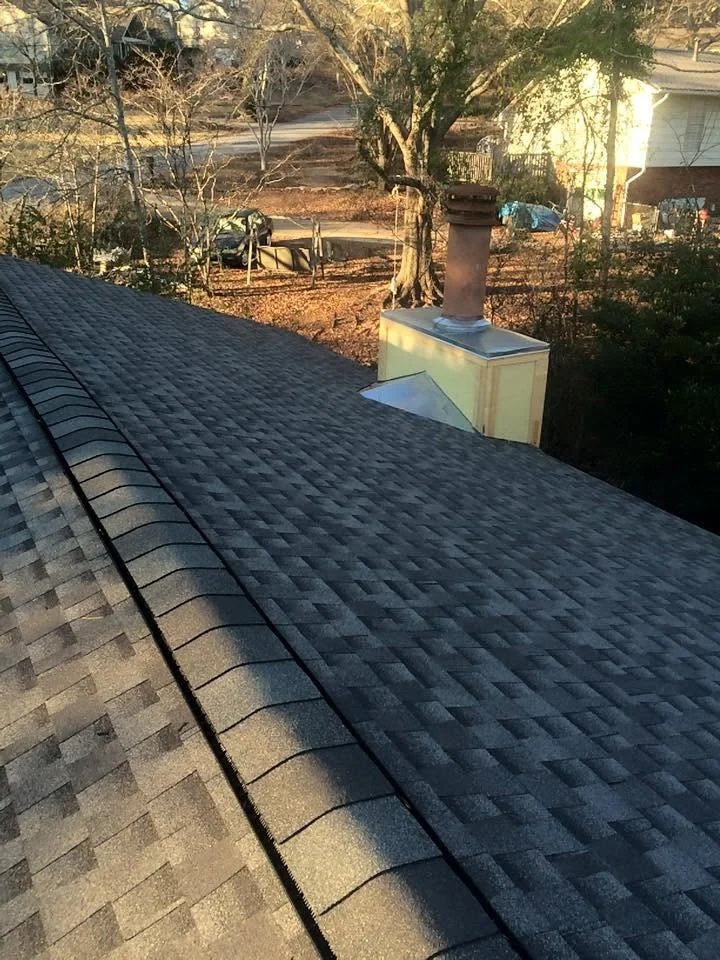
If the ridge cap, hip cap, or adjacent flashing has also sustained damage, we include these components in the repair scope. These transition areas are particularly vulnerable to wind damage and are often overlooked.
Shingle Roof Repair Questions From Hialeah Homeowners
We source the closest available match from the manufacturer's current color palette. Existing shingles weather and fade over time, so new shingles may appear slightly different initially. The difference typically becomes less noticeable as the new shingles weather. If the original product has been discontinued, we select the nearest equivalent.
There is no fixed number. The decision depends on the overall condition of the remaining shingles, the state of the underlayment and deck, and whether the damage is localized or spread across multiple areas. We assess the whole system and provide our honest recommendation based on what will deliver the most value and durability.
All asphalt shingles lose granules gradually over their lifespan — it is part of the normal aging process. However, in Hialeah's intense UV environment, this process is accelerated. Excessive granule loss leaves the asphalt layer exposed, which speeds up further deterioration. If you notice significant granule accumulation in your gutters, it may be time for a professional evaluation of the shingle condition.
Walking on a shingle roof carries risks — steep pitches, heat-softened shingles, and hidden damage can make the surface treacherous. Additionally, foot traffic on heat-softened shingles can cause further granule loss and material damage. We recommend having a professional inspect the roof rather than attempting a self-evaluation.